
In much of rural Texas, elections are effectively decided in March. By the time the November election rolls around, the field is narrowed, the outcome is possibly set, and the real choice is long past. That’s not my opinion – it’s how politics works in a state where primary elections, especially Republican primaries, determine who will ultimately represent a district.
That reality puts real weight on the next 60 days.
Primary voters – far fewer in number than general-election voters – hold enormous influence. In March 2018, about 2.6 million Texans voted in the primary, roughly 17-18 percent of registered voters. In November of that same year, more than 8.3 million Texans turned out to vote. That gap shows just how much power a relatively small group of primary voters holds. In many races, particularly in rural Texas, the primary determines who will serve, and November simply confirms it.
Because Texas remains a Republican-leaning state, the Republican primary often decides who will go on to win the general election. That means small coalitions of engaged voters – especially rural voters – can have an outsized influence in statewide elections, if they are willing to use it.
That brings us to the heart of this election cycle: brush up and show up.
Rural Texans need to take the job of vetting candidates seriously. Not casually. Not based on campaign mailers, yard signs, or whatever happens to be loud on social media. Serious vetting means researching beyond the slogans, following the money, and paying attention to who is funding a campaign – whether it’s neighbors and everyday Texans or a small group of wealthy donors whose interests may not align with rural communities. It also means listening closely to how candidates talk about kitchen-table issues and asking direct questions about how their policies would affect daily life back home.
That vetting should be grounded in real-world priorities.
Water policy determines whether a town – or our agriculture industry – has a future. Cuts to school funding show up in teacher shortages, deteriorating facilities, and whether students have meaningful opportunities close to home. A lack of rural healthcare policy means local clinics close, and maternity and emergency care are suddenly hours – sometimes even a helicopter ride – away. Rural economic development resources determine whether communities can create jobs to keep our kids close to home, keep our families rooted, and ensure support for Main Street businesses. Infrastructure decisions determine whether roads, bridges, and water systems hold up in places where distances are long and alternatives are few.
Really understanding candidates takes time. It requires listening carefully, sifting through the issues, and asking hard questions – not to score points, but to understand whether someone truly understands rural Texas or is just passing through it. If we don’t press candidates on the basics before an election, we live with the consequences afterward.
The second half of the equation is participation.
Being informed only matters if people vote. Primary elections are decided by turnout, and turnout sends a signal. When rural voters engage in meaningful numbers, candidates notice. When they don’t, rural priorities are easier to overlook or take for granted.
This election cycle is an opportunity for rural Texans to be intentional about where their support goes. Votes in rural Texas should be earned – not assumed. Candidates who understand rural communities, respect local decision-making, and focus on serious, practical issues deserve consideration and support.
State policy is felt first in rural communities. It shows up at the water tap, on the school bus route, at the clinic door, and on miles of highway that have to be maintained with limited resources. These decisions determine whether small businesses survive, whether families can afford to stay, and whether a town has a future.
March is when leadership is chosen, and priorities are set. If rural Texans are willing to do the homework, focus on kitchen-table priorities, and show up when it counts, our voices don’t just matter – they carry weight. That’s how self-government works best in Texas: close to home, grounded in real life, and shaped by the people who live with the consequences.
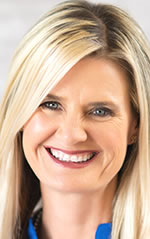
Suzanne Bellsnyder is the editor of the Hansford County Reporter-Statesman and Sherman County Gazette. A former Capitol staffer with decades of experience in Texas politics, she focuses on how state decisions shape rural life. Subscribe to her newsletter at TexasRuralReporter.Substack.com.


Leave a Reply
You must be logged in to post a comment.